Dog Trainer in Samarcand, NC
We provide exceptional canine behavioral transformation through heritage-focused training methodologies designed for Montgomery County historic families seeking dependable behavioral excellence. Recently, we worked with a Samarcand family whose Brittany Spaniel had developed excessive excitement behaviors around their property near the historic Samarcand Manor grounds. Through our impulse management protocols and historical environment conditioning, their dog now demonstrates calm behavior during property tours while maintaining appropriate boundaries around visitors and responding reliably to quiet commands during community heritage events.
Samarcand’s historic preservation community character in Montgomery County creates unique training environments that blend historical significance with tourism activity and heritage conservation family values. Dogs in this area encounter tour groups, historic building preservation work, antique equipment displays, heritage event activities, and the social dynamics of a preservation-focused community where dogs often serve as both family companions and unofficial greeters for families participating in historical education and community heritage programs. Our veteran-owned business has cultivated specialized expertise addressing these specific historic preservation environmental factors that influence canine behavior and heritage family relationships.
Training success in Samarcand requires understanding the balance between building confident community participation and maintaining respectful behavior in historically significant environments. Our methodology emphasizes creating heritage-aware dogs who can thrive in preservation settings while demonstrating appropriate visitor etiquette and historical site respect. We design training experiences that prepare dogs for authentic historic community living while fostering meaningful family relationships and responsible heritage stewardship.
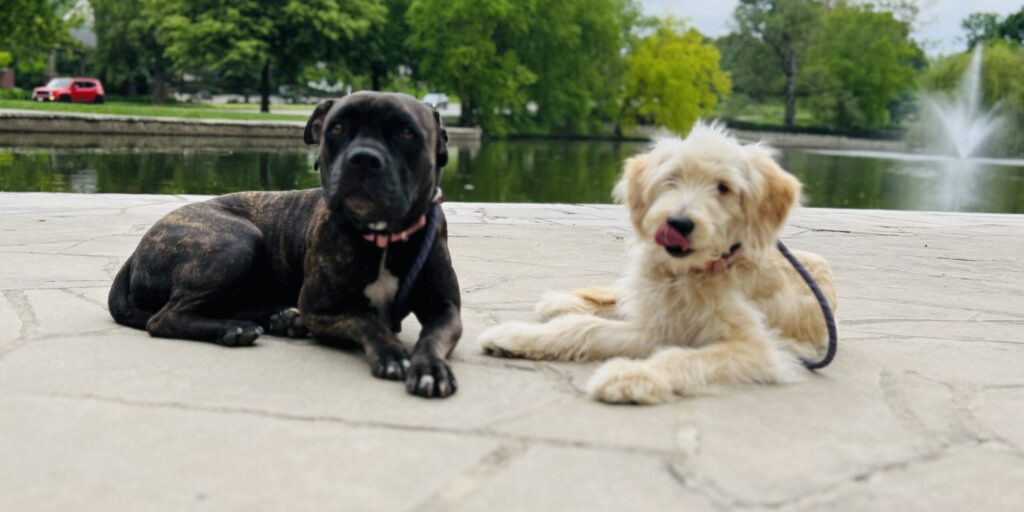
Heritage Puppy Education and Historic Site Conditioning
Young dogs in Samarcand require specialized heritage education programs that prepare them for life in this preservation-focused Montgomery County community. Our puppy education services address critical socialization periods while establishing historic environment adaptation systems that enable dogs to flourish around heritage activities throughout their developmental stages.
Samarcand puppies need structured exposure to historic preservation elements including tour group interactions, antique equipment sounds, heritage event participation, and the varied cultural activities common in preservation communities. We provide systematic heritage experiences that build historical confidence while teaching appropriate responses to visitor encounters and preservation activities.
Our education systems emphasize proper behavior around historic structures, appropriate responses to diverse visitor groups, respectful interaction with preservation work, and reliable control commands essential for heritage site safety. We also establish strong behavioral foundations for families who participate in historical education where dogs need dependable management during tours and heritage demonstrations.
Behavioral Assessment and Historic Environment Management
Behavioral challenges in preservation environments require specialized assessment approaches that address both individual dog needs and heritage site considerations unique to historic community settings. Our management services work with dogs experiencing overstimulation from tour groups, territorial responses to preservation workers, anxiety around antique equipment demonstrations, and other patterns that may impact heritage activities and visitor experiences in historically significant settings.
We conduct comprehensive heritage environment assessments to identify specific triggers and preservation factors contributing to behavioral challenges in Samarcand’s historic community. Many area dogs develop issues related to visitor overwhelm behaviors, equipment noise sensitivity, territorial marking in significant areas, or adaptation challenges to the educational activity variations present in preservation environments where behavioral problems can disrupt heritage programming and visitor enjoyment.
Our management protocols employ preservation-sensitive techniques including visitor desensitization, heritage activity conditioning, and historical site respect training specifically designed for preservation community living dynamics. These specialized programs often require extended heritage exposure periods where dogs learn enhanced preservation responses that improve both educational success and visitor satisfaction.
Intensive Heritage Training Programs
Our intensive heritage training programs provide dogs with comprehensive historic preservation behavioral education through immersion in professional training environments that simulate authentic preservation living conditions. Dogs receive continuous care and behavioral instruction from heritage specialists who address training objectives during every aspect of preservation routine and educational activity preparation.
This preservation methodology enables us to address complex behavioral challenges through authentic heritage training experiences that promote educational success and visitor satisfaction. Dogs practice visitor interaction skills, heritage site etiquette protocols, and preservation responsiveness in intensive settings that optimize learning outcomes and heritage compatibility.
Our heritage training programs include one, two, and three-week intensive preservation options designed around the complexity of historic behavioral objectives being addressed. Dogs graduate with comprehensive heritage documentation, detailed video demonstrations of preservation skills, and extensive maintenance protocols to help families sustain training achievements throughout their historic experiences.
About Camp Lucky Board and Train
Our military service background combined with historic community appreciation provides the disciplined, preservation-focused approach necessary for achieving reliable training outcomes in Samarcand’s heritage environment. We implement preservation-sensitive methodologies and heritage-focused protocols that respect historical values while delivering exceptional behavioral results that honor both canine nature and preservation expectations.
Fifteen years of professional dog training experience has equipped us to address every aspect of heritage canine behavioral development, from foundational puppy historic conditioning through advanced behavioral refinement requiring preservation sensitivity and cultural awareness. Our comprehensive expertise encompasses traditional training enhanced by heritage lifestyle principles and historic site safety protocols.
Our commitment to heritage excellence means we develop programs that honor Samarcand’s preservation values while addressing each dog’s unique personality characteristics and family heritage participation requirements. This preservation-focused approach optimizes training effectiveness while respecting both the distinctive expectations of historic living and the individual needs of each canine heritage companion.
Dog Training Options in Samarcand, NC
Perfect for young pups who need guidance on foundational skills and puppy behaviors:
- Your puppy will learn essential commands such as Sit, Lay Down, and Come.
- Training focuses on curbing chewing, biting, and other common puppy issues.
- Lessons include tips on potty training, leash control, and crate training.
Ideal for busy owners looking to establish key obedience skills without the hassle of group classes:
- Focuses on commands like Sit, Stay, and Come for easy control.
- Covers leash walking, house manners, and curbing problem behaviors.
- Training sessions take place at your home for convenience and familiarity.
Designed for dogs ready to master advanced skills and off-leash reliability:
- Builds on basic commands with advanced obedience and distance commands.
- Focuses on off-leash walking, recall, and attention to verbal cues.
- Helps owners achieve greater control and freedom with their dog.
This program builds a solid base of basic commands and manners:
- Commands like Sit, Down, and Come are introduced.
- Manners training focuses on barking, jumping, and counter-surfing.
- Socialization helps your dog stay calm around people and other pets.
This program adds advanced training for better obedience:
- Off-leash walking, reliable recall, and focus around distractions are taught.
- Door manners, car etiquette, and proper greetings are covered.
- Socialization training becomes more advanced in public settings.
This program is great for dogs with serious behavioral issues like aggression, anxiety, or reactivity:
- Builds advanced obedience skills with commands at a distance.
- Helps dogs stay calm and confident in any situation.
- Overcomes fears and bad habits, creating a well-behaved companion.
FREE In-Home Consultation
"*" indicates required fields

Let's Get Started
Dog Training Frequently Asked Questions
How do I train my dog to behave appropriately around tour groups and visitors?
Tour group training requires teaching dogs to remain calm and controlled around large groups of strangers. Practice exposure to groups of people at varying distances, starting far enough away that your dog notices but isn’t overwhelmed. Train a solid “place” command where dogs settle in designated areas during tours. Reward calm observation of groups rather than excitement or attention-seeking behaviors. Some dogs may need to be removed from tour areas if they cannot remain settled.
What’s the best way to socialize my dog to historic buildings and antique equipment?
Historic environment socialization involves gradual exposure to old buildings, creaky floors, unusual sounds, and antique machinery displays. Start with brief visits during quiet times before progressing to busier periods. Allow dogs to investigate safely while maintaining control to prevent damage to historic items. Some buildings may have restrictions on pets due to preservation concerns. Always check policies before bringing dogs into historic structures.
How do I prevent my dog from marking or damaging historic property?
Historic property protection requires strict supervision and preventive management. Keep dogs on leash in all historic areas and interrupt any marking or investigative behaviors immediately. Ensure dogs are well-exercised and have eliminated before visiting historic sites. Some historic properties may require special permits or have specific areas where pets are allowed. Damage to historic property can result in significant liability and restoration costs.
Why does my dog become anxious around period demonstrations or reenactments?
Period demonstrations often involve unfamiliar costumes, loud sounds like gunfire or blacksmithing, and unusual activities that can startle dogs. The combination of strange sights, sounds, and smells may trigger anxiety responses. Gradual exposure starting at distances where dogs can observe without stress helps build tolerance. Some dogs may never be comfortable with certain demonstrations and should avoid those activities.
How do I train my dog for heritage events and festivals?
Heritage event training involves preparing dogs for crowds, food vendors, music, and extended periods of activity. Practice walking through simulated festival environments with distractions like food smells and crowds. Train strong focus and recall commands that work in exciting environments. Ensure dogs are well-socialized to people in period costumes or uniforms. Provide quiet rest areas where dogs can decompress during long events.
What should I know about training dogs around historic preservation work?
Preservation work training requires teaching dogs to respect active work areas and avoid interfering with restoration activities. Construction sounds, scaffolding, and preservation chemicals may pose risks to dogs. Train dogs to maintain distance from work areas and respond to “back up” commands immediately. Some preservation work may require dogs to be removed from the area entirely for safety and liability reasons.
How do I manage my dog’s behavior during educational programs?
Educational program management involves training dogs to remain quiet and unobtrusive during presentations and demonstrations. Practice “settle” commands for extended periods and train dogs to ignore distractions like children or food. Some educational programs may not allow pets due to insurance or safety concerns. When pets are permitted, they should enhance rather than detract from the educational experience.
Can I train my dog to participate in living history demonstrations?
Living history participation requires extensive training and careful consideration of safety and authenticity concerns. Dogs must be comfortable with period-appropriate handling, clothing, and activities. Modern training equipment and methods may not be appropriate for authentic demonstrations. Consult with historians and demonstration coordinators before attempting to include dogs in living history programs.
How do I build my dog’s tolerance for period-appropriate sounds and activities?
Period sound tolerance building involves gradual exposure to blacksmithing, musket fire, period music, and other historic sounds. Start with recordings at low volumes before progressing to live demonstrations. Use positive associations with treats and calm behavior from handlers. Some dogs may never adapt to certain sounds like gunfire and should avoid those specific activities. Hearing protection may be beneficial for sensitive dogs.
What are the insurance and liability considerations for dogs at historic sites?
Historic site liability involves understanding property policies, insurance requirements, and potential damage costs. Many historic properties have strict pet policies due to preservation concerns and visitor safety. Damage to historic artifacts or structures can result in significant financial liability. Verify insurance coverage for pet-related incidents and always follow site-specific pet policies. Some properties may require additional liability insurance for pet access.
Start Your Dog's Training Journey Today
Experience the transformation that heritage-focused dog training brings to Samarcand families who value exceptional behavioral results and meaningful historic participation. Our veteran-owned business combines military precision with preservation appreciation to deliver outstanding outcomes for dogs of all breeds, ages, and behavioral requirements in this historic community environment.
Call 336-747-3756 to schedule your comprehensive behavioral assessment and heritage integration consultation. We’ll evaluate your dog’s specific needs, discuss your training objectives, and develop a preservation-sensitive program that addresses your unique family circumstances and historic participation goals. Our proven methodologies have helped numerous Samarcand families achieve the well-mannered, heritage-aware companions they desire for successful historic community living.
Don’t let behavioral challenges prevent your dog from contributing positively to Samarcand’s preservation community atmosphere and heritage activities. Professional training establishes the foundation for years of positive historic relationships and family satisfaction. Your dog possesses the potential to become the well-behaved, heritage-aware family member who can enhance historic community life – our expertise makes that transformation possible through dedicated, professional guidance tailored to Samarcand’s distinctive preservation values and historic expectations.
About the Author:

Aaron Rustici
Aaron Rustici is the founder of Camp Lucky Board and Train. He is a military veteran, having served as an Air Force K9 handler with twelve years of service. After transitioning to civilian life in 2020, he returned to Kansas City and opened Camp Lucky to help families build stronger connections and greater happiness with their dogs through obedience training.