If Your Dog Has Separation Anxiety: Here’s the Neurological Truth
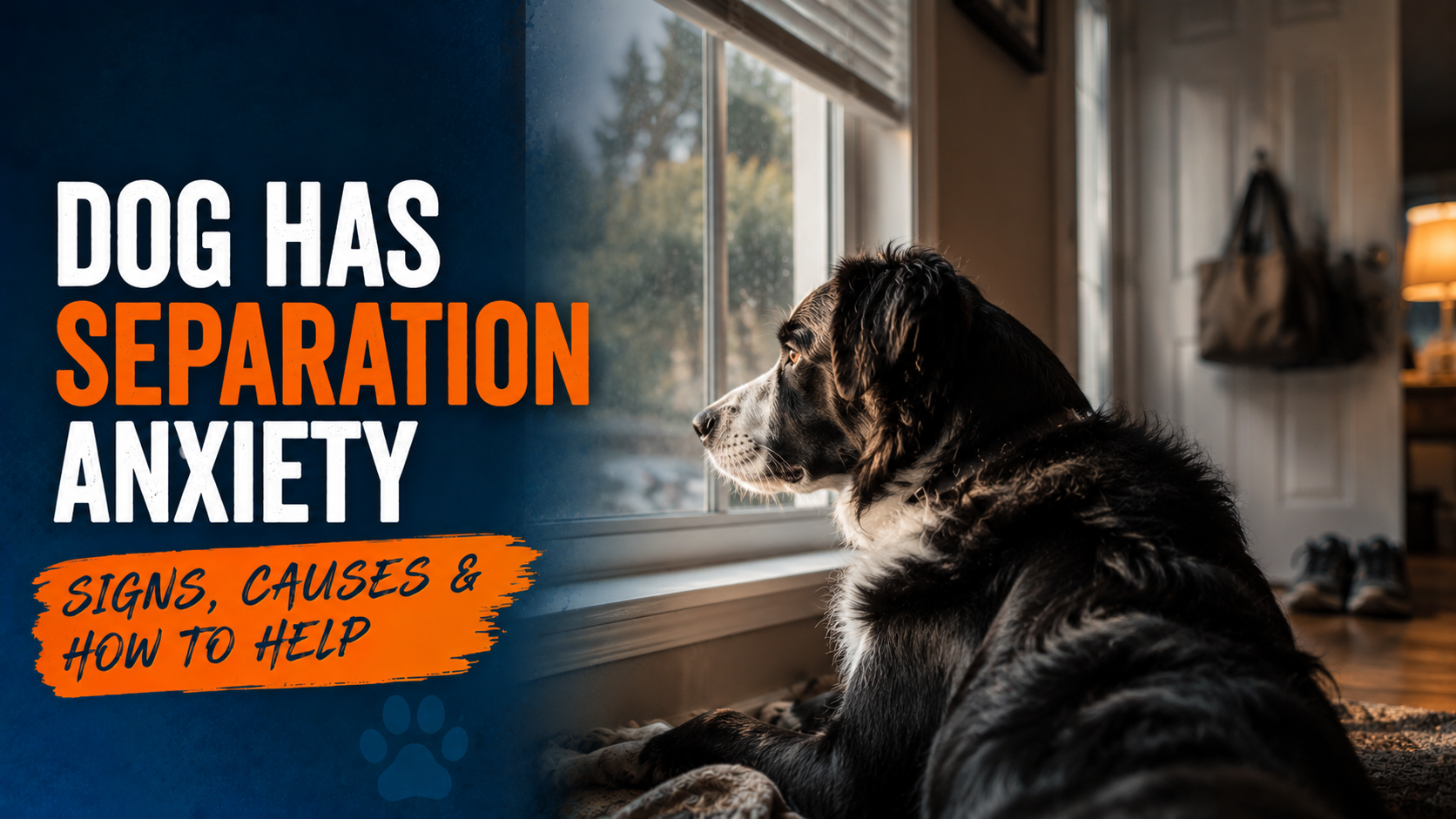
If your dog destroys furniture or howls when you leave, you might think it’s a training issue—but there’s actual brain chemistry at play. Scientists recently identified four completely different types of separation distress, and most owners are treating the wrong one.
Key Takeaways:
- Dog separation anxiety is a neurological condition similar to panic disorder, not a behavioral problem that can be trained away with standard obedience methods.
- A major 2020 study revealed four distinct types of separation distress, requiring different treatment approaches than the typical one-size-fits-all training advice.
- Past abandonment and multiple rehomings physically rewire a dog’s brain, lowering the threshold for panic responses during future separations.
- The pandemic created a generation of dogs whose developing stress response systems were not adequately prepared for solitude, leading to a surge in severe cases requiring specialized intervention.
- Understanding the cortisol flood and amygdala activation during separation episodes explains why punishment-based training makes the condition worse.
Your Dog’s Brain During Separation Triggers a Life-Threatening Emergency Response
When a dog with true separation anxiety watches their owner reach for car keys or put on shoes, their brain signals a life-threatening emergency. The amygdala—the brain’s alarm center—fires with the same intensity as if a predator had entered the room. Within seconds, cortisol and adrenaline flood the bloodstream while the sympathetic nervous system shifts into full survival mode.
This neurological crisis produces involuntary physiological responses: rapid shallow panting, excessive salivation, trembling, and loss of bladder control. These aren’t behavioral choices or acts of defiance—they’re the same involuntary reactions humans experience during panic attacks. The dog isn’t being dramatic or trying to punish anyone for leaving. Camp Lucky Board and Train’s balanced approach recognizes this neurological reality, which is why our training methodology addresses the underlying panic response rather than just managing symptoms.
For dogs with histories of abandonment, the neural pathways governing attachment operate in a constant state of vigilance. Each previous rehoming hasn’t just added to their behavioral history—it has physically reshaped the brain circuits that determine when they feel safe. The amygdala threshold becomes permanently lowered, meaning smaller triggers produce larger panic responses.
The Four Primary Types of Separation Distress a Major 2020 Study Revealed
Researchers at the University of Lincoln analyzed data from over 2,700 dogs across more than 100 breeds, fundamentally challenging the assumption that “separation anxiety” represents a single condition. Their findings revealed four distinct subtypes, each requiring dramatically different treatment approaches than the standard departure-desensitization protocols most owners attempt.
1. True Separation Anxiety: Panic Over One Specific Person
This represents genuine separation anxiety where the dog’s distress centers on one specific attachment figure’s absence. The behavioral response—frantic attempts to escape through doors or windows—aims to reach that particular person, not just any human company. These dogs cannot be comforted by pet sitters, neighbors, or family members because the panic stems from the absence of their primary bond.
2. External Fear Response: Trapped and Unable to Escape
Dogs in this category aren’t panicking because their person left—they’re panicking because they’re trapped inside while something outside triggers their fear. The distress manifests as frustrated attempts to escape the house itself. Treating this subtype with standard separation protocols addresses the wrong trigger entirely, since the problem isn’t the owner’s departure but the dog’s inability to investigate or flee from external stimuli.
3. Generalized Anxiety Without Escape Attempts
These dogs display severe anxiety symptoms—trembling, hiding, soiling—but without the directed escape behaviors seen in true separation anxiety. Their fear response involves shutting down rather than fighting to reunite. Environmental modifications and noise desensitization often prove more effective than departure-focused training protocols.
4. Boredom and Frustration Masquerading as Anxiety
This subtype represents under-stimulation rather than neurological panic. These dogs are behaviorally restless and destructive but not fear-based in their responses. Enrichment activities, structured exercise, and mental engagement address the root cause more effectively than anxiety-reduction protocols designed for true panic disorders.
How Past Abandonment Rewires Your Dog’s Neural Architecture
Dogs don’t simply remember being abandoned—the experience physically alters their brain structure. Each rehoming can lead to repeated stress events that make the nervous system increasingly reactive to similar triggers. The neural pathways that should signal safety become permanently altered, creating a biological expectation of future loss.
Multiple Rehomings Create Lower Amygdala Thresholds
Shelter dogs who’ve experienced multiple placements develop hypervigilant neural networks. Their amygdala—the brain’s fear center—becomes hypersensitive to departure cues that wouldn’t trouble a dog raised in a stable home. A simple shoe-putting-on routine can trigger the same physiological emergency response that originally developed during actual abandonment. This neurological scarring explains why rescue dogs often struggle with separation anxiety even in loving, permanent homes.
Why Genetic Predisposition Sets the Starting Line
Some dogs inherit constitutional tendencies toward anxiety, meaning their baseline stress-response system operates at higher levels regardless of life experiences. Environmental triggers that leave low-anxiety dogs unbothered can push genetically predisposed animals into full clinical panic. Genetics don’t determine destiny, but they establish the threshold where environmental stressors become overwhelming. Understanding this biological starting point helps explain why identical training methods produce vastly different results across individual dogs.
The Cortisol Flood: What Happens Inside an Anxious Dog’s Body
During a separation anxiety episode, a dog’s body undergoes the same biochemical storm humans experience during panic attacks. Cortisol levels spike dramatically while adrenaline surges through the bloodstream. Heart rate can double or triple, breathing becomes rapid and shallow, and the digestive system shuts down entirely. This physiological takeover explains why anxious dogs won’t touch even high-value treats during panic episodes—their bodies have prioritized survival over all other functions.
Physiological Responses Mirror Human Panic Attacks
The trembling, excessive panting, drooling, and loss of bladder control aren’t behavioral choices—they’re involuntary consequences of a nervous system in crisis mode. Blood flow redirects from non-essential organs to major muscle groups, preparing for fight-or-flight responses. The digestive system essentially shuts down, which is why food-based distractions like Kong toys fail during acute episodes. A dog in this state literally cannot engage with enrichment activities because their brain has shifted into pure survival mode.
Why Punishment Makes the Neurological Problem Worse
Applying corrections or punishment to a dog already experiencing neurological panic adds another threat to an overwhelmed system. The dog’s brain cannot distinguish between the punishment and the original trigger, so both become associated with danger. This creates a compound fear response where the owner’s return—previously the only source of relief—now carries its own threat potential. Punishment-based approaches don’t resolve the underlying panic; they layer additional trauma onto an already-dysregulated nervous system.
Why Standard Training Advice Fails Against a Panic Disorder
Most separation anxiety advice assumes dogs are making behavioral choices that can be redirected through management or distraction. This fundamental misunderstanding leads to protocols that fail spectacularly against genuine neurological panic. Understanding why common recommendations fall short helps explain the frustration experienced by owners who feel they’ve “tried everything.”
Kong Toys Help Mild Cases But Can’t Stop Full Amygdala Activation
Food-based counterconditioning works for mild anxiety where dogs retain some cognitive function during departures. However, dogs experiencing full panic responses literally cannot eat because their digestive systems have shut down for survival. The untouched Kong sitting exactly where it was placed becomes evidence to owners that “nothing works,” when actually the intervention simply doesn’t match the severity of the neurological event occurring.
Crates Become Injury Traps for Panicking Dogs
Confinement transforms manageable panic into potentially dangerous desperation. Dogs experiencing separation anxiety will fight to escape crates with remarkable force, often resulting in broken teeth, torn nails, and serious lacerations. The crate doesn’t provide security—it eliminates the dog’s last option for seeking relief through movement or escape attempts. What begins as neurological panic escalates into physical injury when the dog’s flight response has nowhere to go.
Exercise Doesn’t Recalibrate Fear-Based Neural Circuits
Physical exhaustion addresses available energy for destructive behavior but doesn’t touch the amygdala’s trigger threshold. A physically depleted dog with genuine separation anxiety will still experience the same neurological emergency when the door closes. Exercise can be a useful component of a treatment plan, but alone it’s like treating a broken bone with aspirin—it might address some symptoms while completely missing the underlying problem.
The Pandemic Created a Generation of Dogs Whose Stress Response Systems Were Unprepared for Solitude
Reports indicate a significant increase in dog adoptions between early 2020 and January 2022, with many first-time owners working remotely and spending unprecedented amounts of time at home. These dogs developed their neural architecture around constant human presence, never learning that solitude was normal because it never was. When return-to-office schedules resumed, millions of dogs faced an abrupt transition from near-constant companionship to eight-hour daily isolation—a neurological shock equivalent to suddenly removing a fundamental safety anchor.
Pandemic puppies missed critical socialization windows due to lockdown restrictions, developing less robust frameworks for managing novelty and change. Dogs not exposed to diverse environments and experiences during their critical early development remain more vulnerable to anxiety disorders throughout their lives. The sudden shift from a restricted world of constant human proximity to normal separation schedules created perfect conditions for widespread separation anxiety development. This crisis is reflected in shelter intake, with behavioral problems, including separation anxiety, frequently cited as reasons for surrender as owners reached their breaking points.
Treating Separation Anxiety Requires Understanding It as a Neurological Condition, Not a Training Problem
Effective separation anxiety intervention demands recognizing the condition as a panic disorder requiring systematic desensitization, not a behavioral problem requiring obedience training. The gold-standard treatment involves gradually exposing dogs to departure cues and brief absences without ever exceeding their current anxiety threshold. This process requires professional expertise to read subtle stress signals and adjust protocols accordingly—skills that most dog owners haven’t developed through casual observation.
Multi-modal approaches combining systematic desensitization with environmental management and sometimes medication produce the most reliable results. The key insight is that dogs must learn they can survive separation without panicking, which requires building positive associations with solitude rather than simply managing the symptoms of panic. This learning process takes months, not weeks, and requires consistency that challenges most owners’ daily schedules and lifestyle constraints.
Treatment success depends on never accidentally triggering full panic episodes during the conditioning process, since each panic experience can reset progress and deepen the fear association. Professional guidance becomes necessary not just for developing protocols but for troubleshooting the inevitable complications that arise when real life intersects with ideal training conditions. The neurological nature of the condition means that effective treatment requires understanding both canine learning theory and the biological mechanisms of anxiety disorders.
If your dog is struggling with separation anxiety, Camp Lucky Board and Train offers specialized programs that address the neurological foundations of anxiety disorders rather than just managing surface behaviors.